
What does this involve?
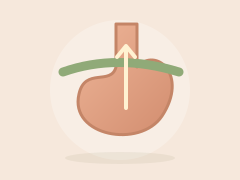
Reflux occurs when stomach contents move back into the oesophagus. Persistent or troublesome reflux may be called GERD. A hiatus hernia can be associated with reflux, but symptoms alone do not determine whether surgery is suitable.
Reasons to discuss this with a doctor
- Persistent reflux despite previous treatment
- A known hiatus hernia
- Questions after an endoscopy or specialist review
How assessment may help
The surgeon reviews symptoms and prior treatment. Endoscopy and other investigations may be considered depending on what is already known.
At Yukta
Bring previous evaluations and treatment records. Your surgeon can explain whether a surgical approach should be considered in your situation.
Preparing for your visit
- Bring previous reports, prescriptions and a list of current medicines.
- Note when your concerns started and any changes you have noticed.
- Write down your questions and what you would like help understanding.
Understanding care options
Lifestyle measures and medicines are often part of reflux care. Procedures or surgery are options for selected patients following assessment.
Does reflux automatically mean I need surgery?
No. A consultation helps establish the diagnosis and whether a procedure is appropriate after considering other options.
Useful questions to ask
- What is the likely cause, and is more evaluation needed?
- What are my options, their benefits and possible risks?
- What follow-up is needed, and what changes should prompt earlier help?
Want to know more?
Read more detailed patient information from these independent health organisations.
Sources checked 15 October 2026. Overseas guidance may describe different health systems; discuss local recommendations with your doctor. This guide is general patient education, not a diagnosis or individual treatment plan.